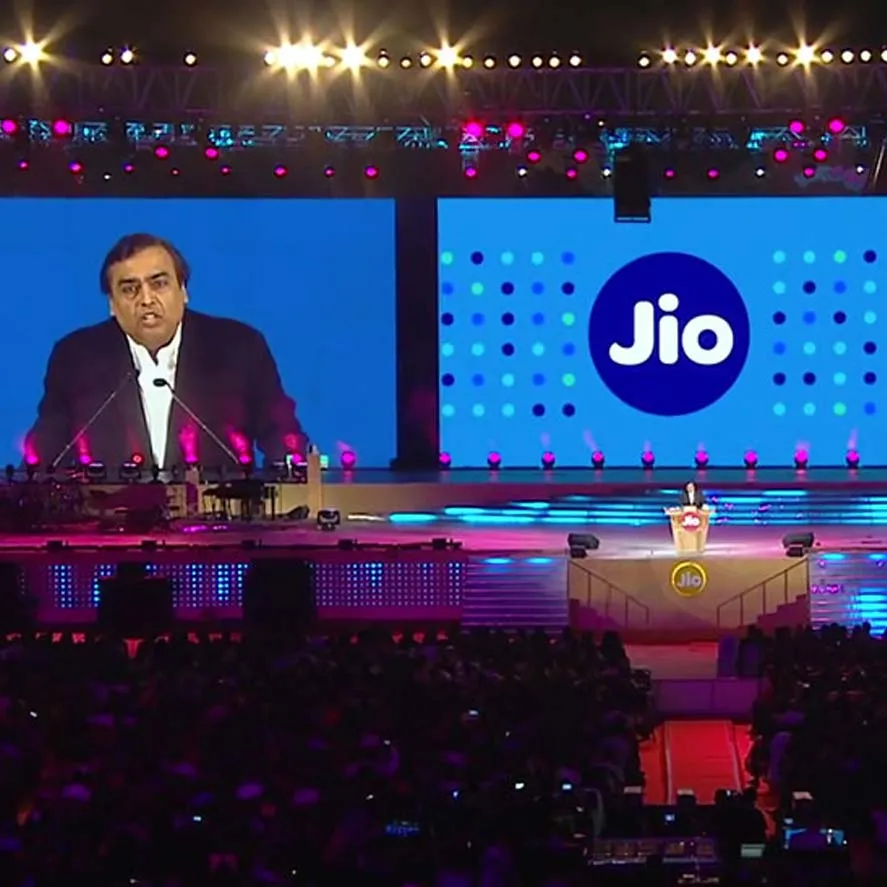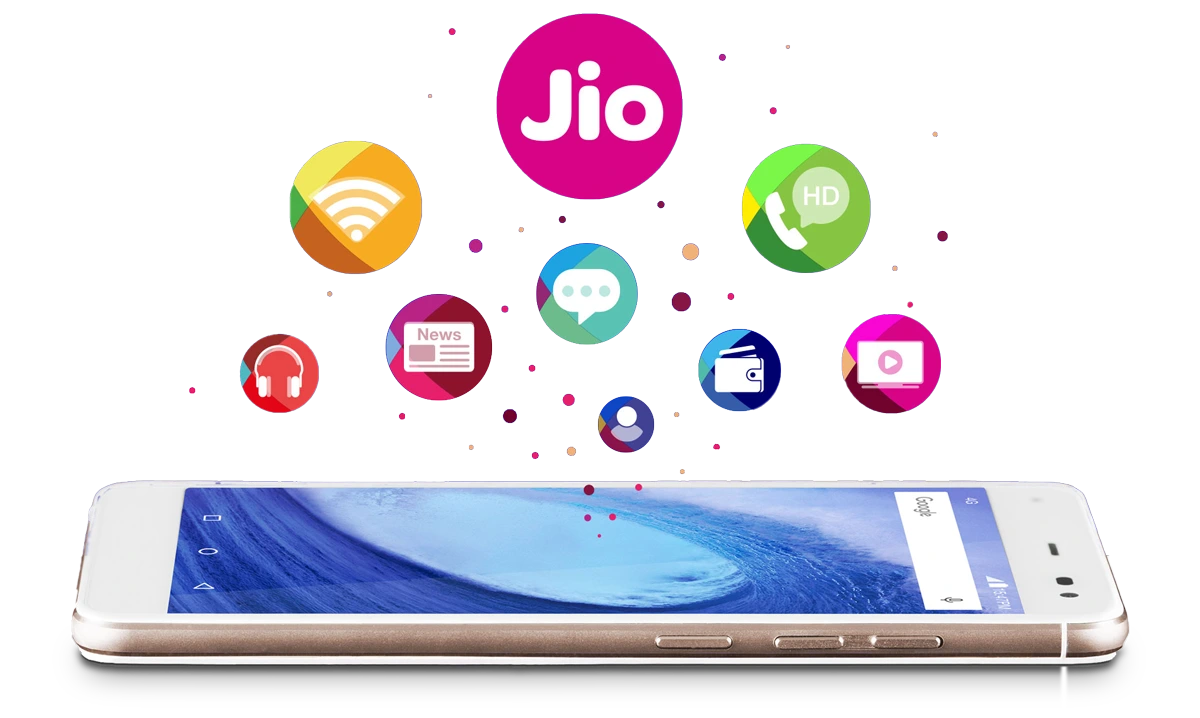
Together with a team of UX/UI design experts, I was invited to join the brand launch of Jio in Mumbai, India.
Jio's mission was to bring 4G to India and make SIM cards affordable for everyone, from the businessman to the farmer.
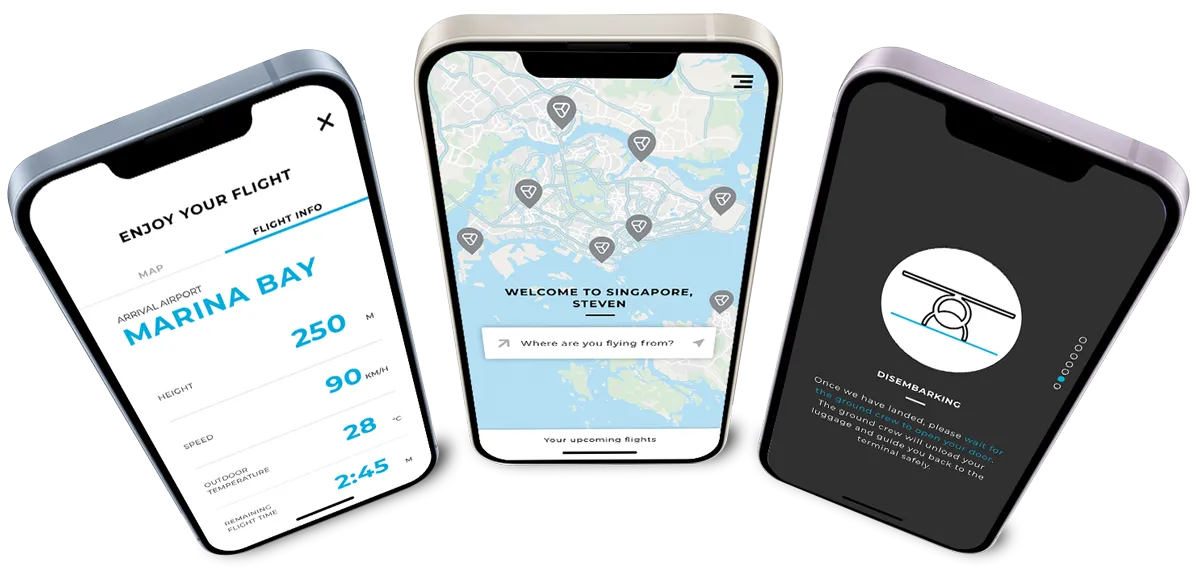
Our UX/UI design team was responsible for developing various service apps for the provider.
My focus was on conceiving an InStore App for the Jio flagship stores.
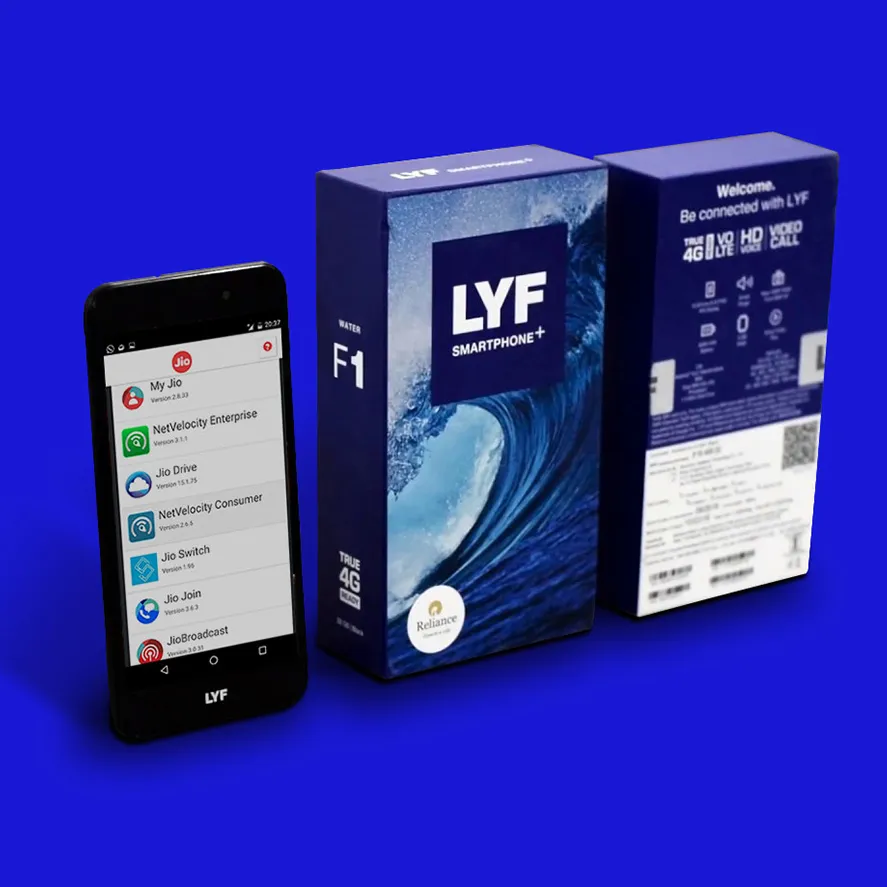
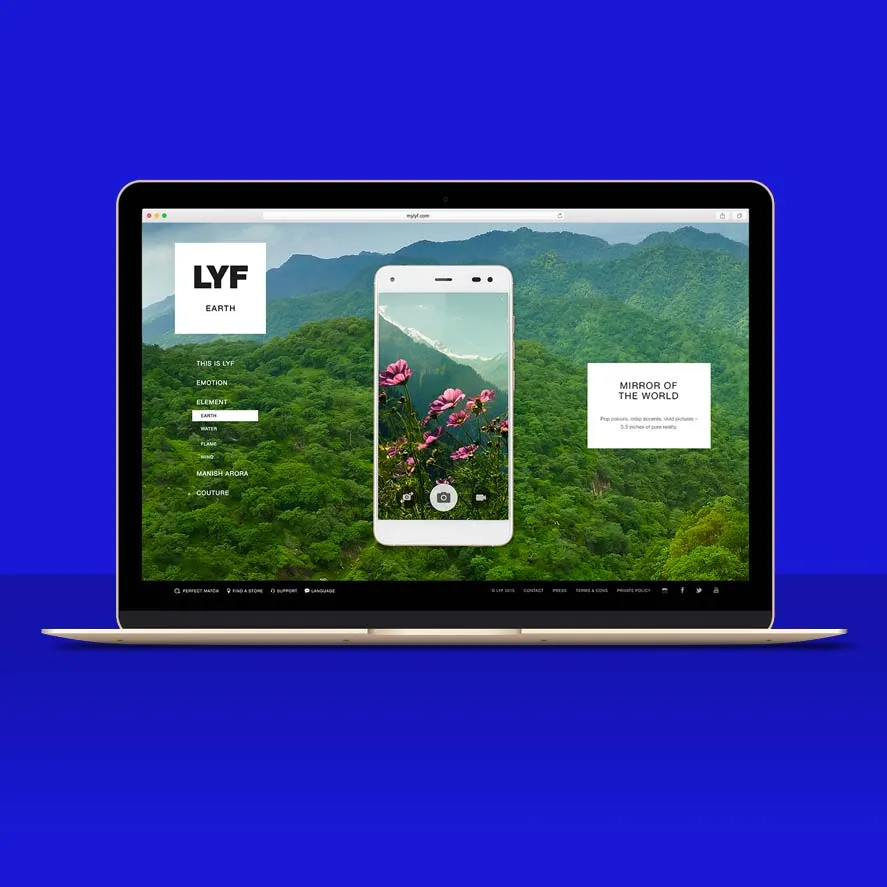
Later in the project, I also took on branding and digital experience tasks für die Smartphone-Hardware-Marke LYF.
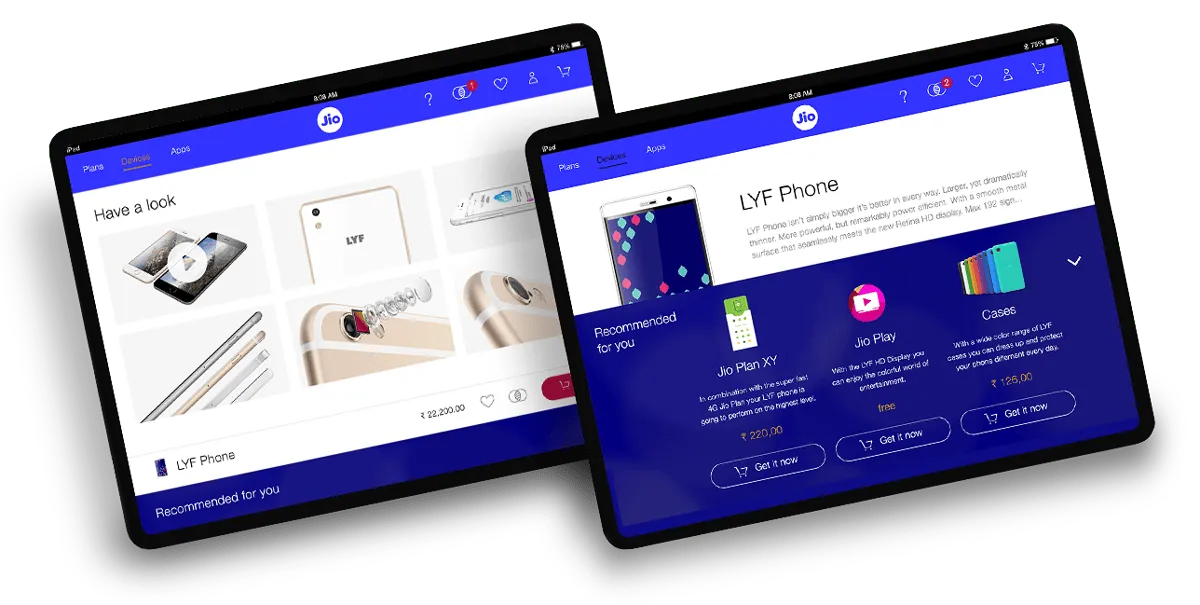
The Indian market is extremely diverse, which made the UX/UI design project particularly exciting.
The biggest Challenge: to simplify the time-consuming SIM card transaction, which included many government requirements - in Jio stores.
In Indian mobile shops, you take a number and wait. Sometimes for a very long time. The sign-up process is bureaucratic, lots of regulations, lots of steps, lots of room for error. A comprehensive in Indian stores, helped us develop a which linked the app, customers, sellers and cash register management.
The InStore App was designed to solve this frustration for three very different user groups at the same time: customers, sales staff and cash register management.

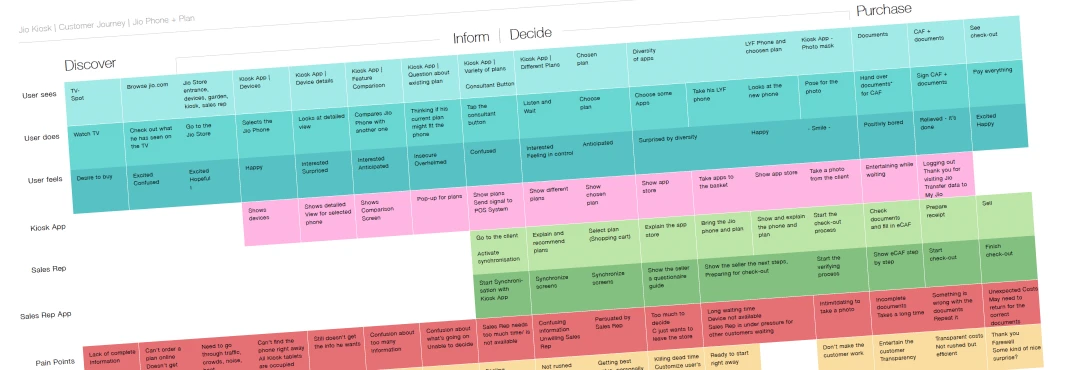
Before developing any concept, we went into the stores first. We wanted to understand how the process actually works, not how it looks on paper.
The client celebrated the journey as the foundation for everything that followed. And it was: only when all stakeholders share the same overview can you develop wireframes that actually make sense.
The biggest conceptual decision was not to simplify the process but to rethink it entirely. Instead of a long queue with a single point of contact, we clearly separated the three roles while keeping them connected. Each user group gets exactly the information they need at that moment.
Three roles, one seamless flow. The waiting disappeared, the quality of advice improved.
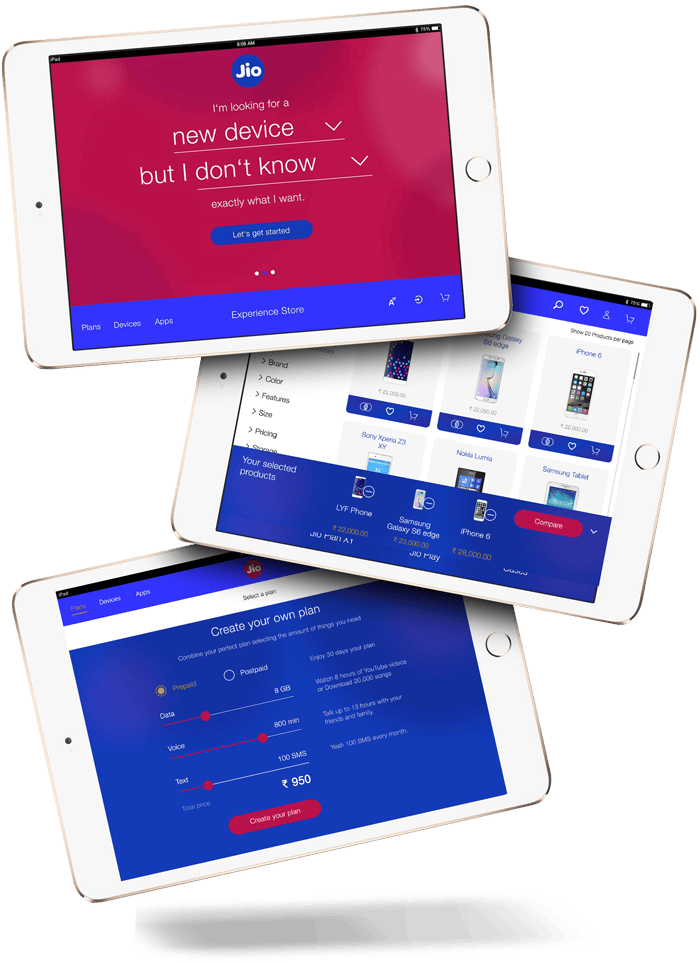
India is not Europe: While minimalistic design dominates in Germany, India thrives on strong colors, strong contrasts and a whiff of Bollywood.
The challenge to combine vivid aesthetics with clear, intuitive navigation spanning several areas.
Together as a team, we developed a uniform design language that perfectly combines cultural authenticity and usability and put our wireframes accordingly in a design prototypes.
That is only possible in India - and that's how the product team came up with the idea, which ended up right on our table. Parallel to the Jio launch, we developed the device brand LYF, which came onto the market at the same time.
In a short period of time, my team and I created dozens of Design directionsWhich part was worked out and discarded again. In the end, the idea of elements prevailed.
The focus was initially on smartphones with an integrated Jio experience.
Our tasks included the Brand image, digital presence and onboarding experience after turning on the smartphone for the first time.